
Clinical Trials
AARS1/IGF2BP3-K280 Lactylation Drives Endometrial Cancer Stemness and Recurrence Risk
Jiang et alAdvanced Science
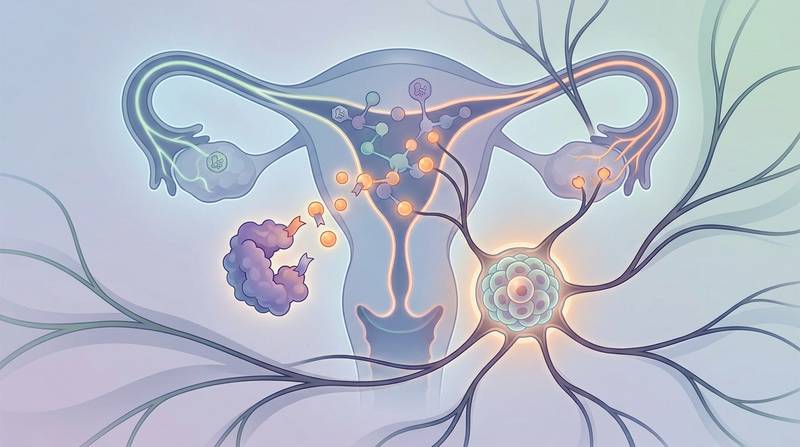
In endometrial cancer, tumor recurrence is heavily driven by cancer stemness, yet the regulatory metabolic drivers have remained elusive. This study identifies elevated protein lactylation in the lactate-enriched tumor microenvironment as a key driver of endometrial cancer stemness and unfavorable clinical prognosis.
Mechanistically, the metabolic intermediate lactate promotes lactylation of insulin-like growth factor 2 mRNA-binding protein 3 (IGF2BP3) specifically at lysine 280 (K280), a process catalyzed by alanyl-tRNA synthetase 1 (AARS1). Lactylation stabilizes and upregulates IGF2BP3, enabling it to bind and stabilize HMGA2 mRNA through an m6A-dependent pathway and subsequently trigger downstream stemness-associated transcriptional networks. Abrogating this axis via AARS1 depletion or introducing an IGF2BP3-K280 mutation abolishes lactylation and attenuates stem-like phenotypic behavior. Furthermore, targeted genetic and pharmacologic inhibition of IGF2BP3 lactylation significantly suppresses tumor growth and stemness in preclinical in vitro and in vivo models.
Clinically, elevated IGF2BP3-K280 lactylation demonstrated superior predictive accuracy for disease recurrence compared with conventional clinical biomarkers and was strongly linked to aggressive clinicopathological traits and reduced overall survival. Incorporating this biomarker into a predictive clinical nomogram significantly refined recurrence-risk stratification across multi-center patient cohorts, highlighting the AARS1/IGF2BP3 axis as both a viable prognostic tool and a promising therapeutic target in recurrent endometrial cancer.
Key Takeaways
- IGF2BP3-K280 lactylation correlates with aggressive clinicopathological features and inferior survival in endometrial cancer, outperforming conventional biomarkers in predicting disease recurrence.
- Incorporating IGF2BP3-K280 lactylation status into a clinical nomogram substantially improves recurrence-risk stratification across multi-center cohorts.
- Both genetic disruption and pharmacologic inhibition of AARS1-mediated IGF2BP3 lactylation suppress tumor growth and cancer stem-like properties in vitro and in vivo.
Read the original sourceAdvanced Science