
Clinical Trials
An initial report of memory avoidance whole brain radiotherapy to treat brain metastases
Palmer et alNeuro-oncology advances
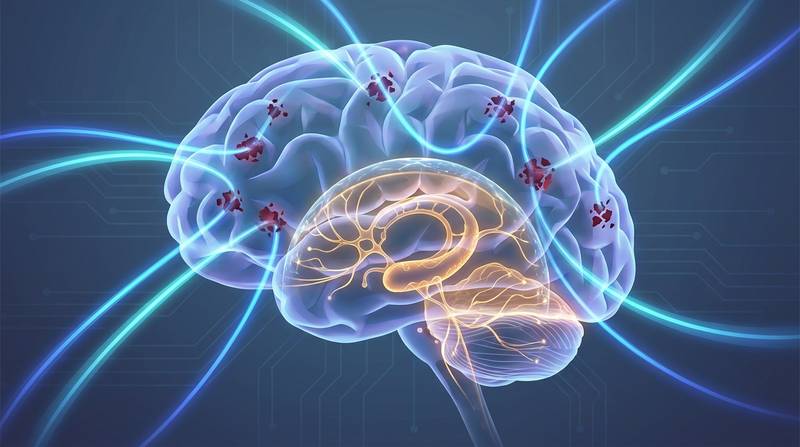
In an evaluation of patients from the ATHENA Trial, researchers investigated memory-avoidance whole brain radiotherapy (MA-WBRT) combined with memantine in 29 patients with more than 15 brain metastases. Expanding upon standard hippocampal avoidance whole brain radiotherapy (HA-WBRT), the MA-WBRT technique spares additional neurocognitive structures including the corpus callosum, fornix, amygdala, hypothalamus, and pituitary alongside the hippocampus. Participants received 30 Gy in 10 fractions of MA-WBRT in conjunction with memantine.
Cognitive performance was tracked using the Hopkins Verbal Learning Test-Revised (HVLT-R), Controlled Oral Word Association Test (COWAT), and Trail Making Test A/B (TMT A/B), with cognitive decline determined by the reliable change index. Patients receiving MA-WBRT experienced neurocognitive decline rates of 17.2% at 3 months and 48.3% at 6 months, which compare favorably to the 50% (3-month) and 60% (6-month) cognitive decline rates reported in NRG CC001. Additionally, localized relapse within spared substructures was rare, with only a single event in the right fornix at 10 months post-enrollment occurring alongside distant intracranial progression outside the avoidance zone. A randomized phase 2 trial (NCT07248228) is planned to directly evaluate MA-WBRT plus memantine versus HA-WBRT plus memantine.
Key Takeaways
- Prescribing memory-avoidance whole brain radiotherapy (MA-WBRT) with memantine in patients with >15 brain metastases resulted in neurocognitive decline rates of 17.2% at 3 months and 48.3% at 6 months, compared to historical rates of 50% and 60% observed with hippocampal avoidance in NRG CC001.
- Treatment yielded high anatomical control within spared structures, with only 1 failure documented in a memory avoidance substructure (right fornix at 10 months), which occurred concurrently with distant intracranial failure outside the memory avoidance zone.
Read the original sourceNeuro-oncology advances